Adam
[00:00:01]
Hey everyone, I'm Adam from Camel Tech. Welcome to the very first episode of System Confessions, where you'll get the raw stories from founders that you won't hear on LinkedIn. So here I have Stanley Dean, he's the founder of SDA CPA Group. And uh yeah, thanks, thanks for being on the show, Stanley.
Stanley Dean
[00:00:20]
Yeah, glad to be here. I hope I can w lend some pearls of wisdom here today.
Adam
[00:00:24]
I'm sure you will. As we know, I don't know any more about you than the little information that I got before the show. So why don't you go ahead and introduce yourself to the viewers and what you do, how you founded the business, and we'll go from there.
Stanley Dean
[00:00:39]
Okay, well, again, I'm Stanley Dean. We own a CP. I own a CPA firm in Dunwoody, Georgia, which is just north of Atlanta. Uh, we've been in business for twenty-three years. I started in October two thousand and three, almost twenty-three years ago. Uh, we work with small business clients primarily, uh, only, I should say. We don't work with individual taxes. We work with doing their accounting with QuickBooks Online. Use work with them doing their payroll as well as their the business taxes and the owners' taxes. So but we don't do individual tax returns other than for business owners. So and we do about a I don't know- about seventy-five monthly accounting clients that we work with every month, cleaning up their QuickBooks and then again do their taxes with them later in the year.
Adam
[00:01:35]
wow. Is there a reason why you don't do individuals just at this stage, not worth it for you or do you just prefer working with businesses?
Stanley Dean
[00:01:43]
Well, uh, we used to do individual tax returns. We again, we still do if they own a business, but I think that, you know, it's our focus is the small business market, and uh we really just due to limited resources, limited people, we just didn't um we won't we don't wanna spend our time dealing with individual tax returns, just from a from a time and profitability standpoint.
Adam
[00:02:07]
Makes sense. Uh, what, how big is your team?
Stanley Dean
[00:02:12]
We have a total of ten, including me, my wife and my my wife Kelly works as our marketing director. So counting the two of us, there's ten of us, then we have uh one and a half accounting managers, a practice manager, uh two and a half staff accountants and an an admin. And we plus we have some offshore folks as well who help us do some of the accounting for us.
Adam
[00:02:43]
wow, okay. So how did the the team grow? Like when you first start versus when you first started. So I imagine that you yourself started at a a small firm or you started at at uh a maybe a well known accounting agency and then you worked your way up and founded this or how d how did that
Stanley Dean
[00:03:02]
well my background is well I g yeah I got my master's in accounting from the University of Georgia um with a tax emphasis. Went to work for Price Waterhouse, uh now known as P W C uh way back af way back then after college and uh worked for them for about five years and then got out of there and went to industry. I was working in industry in t in the tax world for about ten years and worked for a company that Dow Chemical purchased. worked for Dow for a few years and and then um then that's when I decided I'd go and start my own thing. and that was in two thousand and three. So we started out with no clients and zero client, zero revenue and and we just I don't know, I just it's going back away, so I I g I guess how did I get my first client?
It was just think I joined some networking groups and went to some of the chamber meetings and met s met a few folks and beat the bushes that way and uh and just started with zero and grew to where we are now.
Adam
[00:04:11]
So Was that stressful? Did you did you just always know that it was gonna work out or or was it stressful, you know, trying to find the first clients? Because I I know that myself, for example, I had a a a small startup. It was on fully online, so no um no real overhead, but I still wasn't sure that sales were gonna come in. So was that ever a a concern for you?
Stanley Dean
[00:04:33]
Well, sure. Uh, you know, thankfully uh I w we we had my wife and I had our first child, Mitchell, it was about a month before we started the business, so that was not great timing to have my wife says you shouldn't birth babies and businesses at the same time. And uh because you know not only are you having a brand new business, you're having a brand new child to feed and so but thankfully she knows she was working as well and helped Yep. Plus we had some savings from from my time when at Dow Chemicals. So we we started out with some with some savings and that's that was kind of the nest egg that got us going. But um yeah, those you know, anytime you start from nothing, I I wouldn't if it's not that I've necessarily wanted to start with no clients.
I you know, I I thought I could um by that point I'd already had let's see, probably about I graduated from UGA in nineteen eighty six and that was what two thousand and three, so that was almost twenty years uh experience. so I thought, well, I could just go out and buy an accounting firm. Well, it it was that was easier said than done because you know, if you're a selling of an accounting firm, you're looking at you usually those deals are structured where they're some type of retaining retainer involved that the seller has an involved interest in making sure the clients stay for the buyer's purpose. So therefore the seller wants to make sure they're selling to someone who is going to keep as many clients as possible to get as much revenue for their business that they're selling.
So for that reason they typically would want to sell to someone who already either owned a firm themselves or had already worked in public accounting And I had, but in public accounting meeting, like you know, Pricewaterhouse and what we have now working doing accounting services for the public. So uh that that was the kind of the hit um some of the challenges I was facing was trying to find client uh some sellers willing to sell to me because I'd much rather had um started out with a book of business and pay someone over time to for that book. That's kinda typically you would hear some I'd hear other people say, Well just go buy a firm firm and and pay the seller maybe twenty percent a year over five years and and that's what I was meaning that the seller has a vested interest in making sure as many of those clients are staying for the buyer. I just never could find deals like that, even though others did.
So um so that's what's well I can't find one to buy, I just start one from nothing and and we did. And about it again there was some Some lean times in those early days.
Adam
[00:07:30]
Are you glad that you did it or would looking back, do you think you could have done more to to to buy or would are you are you
Stanley Dean
[00:07:38]
I I guess the in ideally I guess if I had to do over again, I would have probably found a firm that the o the owner more like the kind of the apprentice model where you might find a an owner who's maybe you know, five to ten years away from retiring and go to work there and get to know the clients and kinda transition the the owner out that way. seller out that way versus starting from nothing. So um so if I I really didn't look for an opportunity like that. I was looking more just to buy one straight out. So but in hindsight that's what I should have done differently is find somebody to let me work with them for a while, get to know each other, to get to know the clients. Um and then that would that would make for happier clients because they already know they would have already known me because having worked there with them for a while.
So so that again, that's kinda like more the apprentice model and and that that would have worked better, but you know, as they say Hunts that is twenty twenty.
Adam
[00:08:45]
Yeah, exactly. It looks like you're doing pretty well, so I don't think you made a bad decision.
Stanley Dean
[00:08:49]
Well, you know, i yeah, we've we've managed to stay in business twenty three years and and so far we're we're doing pretty well and and it's uh this you know, we keep growing every year and we some of our clients are fairly complex. so some of the fees that we're getting some of these clients are pretty good not pretty good amounts. Uh you know, it's the al alternative them hiring people internally, so we're s we're s we're still less expensive than having hiring a full time staff. but yeah it's it's um it's been at times I've said I maybe I sh maybe I should have just kept that job and and not gone out on
Adam
[00:09:31]
I think we've all said that. If you're a a business owner at some point you're like, why am I even doing this?
Stanley Dean
[00:09:36]
But then then you see other people who are working the jobs and you you remember, yeah, that's that's why. I wanted my own thing. Yeah, and you know, yeah, there's a s certainly a sense of pride to know that well, we we built this and we now are providing for the for the ten people who working here, including myself and my wife and and our sons who are still in college and my oldest the one I mentioned that uh was born a month before we started the business, just graduated from college last week.
Adam
[00:10:05]
So uh now he's gotta find him a job. Uh he
Stanley Dean
[00:10:13]
He like his brother that you met earlier is uh also a marketing major. So he he's gonna go into marketing and sales. He's a little more on the sales side, so I have told him that if he doesn't find a job we're gonna put him in selling for us.
Adam
[00:10:26]
I was just gonna say that. Well you have your marketing and sales team right there.
Stanley Dean
[00:10:31]
True, and we in fact we are going to hire a salesperson later this year and and he certainly uh he is wor he did intern for us uh last summer and and so he's already familiar with some of our marketing that we're doing. but he's actually thinking he may go back to school another year and get his uh the school that he graduated from has just started a master's in and AI develop not development but implementation of AI in in business. a brand new program and he does have an interest in as well as that's the latest buzz and everything is the AI world. So but it's not necessarily how to program and do that kind of thing. It's more of how to implement it and and and use it in business. So he's uh he's looking at doing that and he said he may do that and he but that will be a remote pos a remote uh degree and he can he can do it fully from from home.
So he's gonna move home with us again as common is is is these days for the young kids getting out of college because it's so so expensive to live, especially when you don't have a job.
Adam
[00:11:35]
Yeah, that's th if I could could have done that, I definitely would have done that. But I was um you know, I was not the type that would go back home. I had to have I I traveled Europe and had to had to do my own thing in a different city, different country. So um no, I've that's that's gonna save him thousands.
Stanley Dean
[00:11:51]
He's really lucky to have that. Yeah, I I was actually curious what you what do you think about the AI, because every industry is implementing at least some form of AI into their day to day, whether it's
Adam
[00:12:04]
replacing jobs or creating s it's also creating jobs but it's making their day to day easier and uh increasing profits. What do you think about that in in your business, for example? Will you adopt that at some point or is it not do you not really see it working with with your business model?
Stanley Dean
[00:12:23]
yes. Uh we we are I I'm a member of an organization called PASBA. It's a professional association of small business accountants. And we were just at a PASBA conference uh a couple of weeks ago and of course that was one of the buzzes there about how to use AI and um that that organization has two conferences a year. One of them is more marketing focused and marketing and sales and the other year the the last part of the year is more production and and how to get the work done when you when you sell it. But the the one we just went to was more marketing focused. So there was so I came back with a lot of ideas on how to um and my wife was with me as well again. She's our marketing director. So we came back with ideas of how to use A um primarily right now in the marketing and sales world is to some of the ideas I heard for example is to start recording every phone call that you have.
our system right now does not not it will we can record but it doesn't do transcripts. So we're starting to look we're we're looking at we use Zoom meetings and we're gonna be looking at Zoom phone as a way to start recording our meetings, getting the transcripts and then what we will do with that primarily on a sales call, what type of questions are client prospective clients asking? What kind of issues are they having? What are and then that can get wealth of information to be used for social media posting. I I you met my son earlier who was started a social media business. So one of the challenges for his type of business and for us is coming up with topics. You know, what what do you want to talk about that's interesting, not just the same old stuff over and over. So the most common thing we hear is how to do that is well what kind of questions are your clients asking? Well so that was one of the ideas I heard.
Start recording your calls and then we can anonymously convert some of that information over to create marketing posts for social media. But also like I mean if we're meeting with a client whether by Zoom or w with a phone call, we can start recording some of those calls to start preparing for meeting notes for uh when they especially with a new client. So if we you know we have during the sales presentations they tell you what kind of issues they're having and then if they would sign up become a client then we can instead of having to go through a bunch of written notes, it can read through the transcripts and so those are some of the most I guess practical ways that we're starting to use AI as just again com getting the transcripts to to to do the marketing and the meeting preparation. but we also heard of some other firms who are using it You know, we we've used it we use Chat GPT primarily.
we also messed around with Cloud Sum, but p chat is our primary uh source so far. So it's helped us with the in doing a new marketing plan, new marketing strategy. it's helped us uh you know, like Emerald with with your company is is helping us with some dashboards. Use click up for our practice management. Helped us implement. But so we're using chat to help us evaluate the dashboards that we have and see if we can do it in a different way. And so so that's primarily the way we used it so far, is helping us design process flow. Uh we really haven't used it a lot yet for you know processing any kind of client data. Um, I mean QuickBooks has some built in AI into it that's becoming more and more prominent.
And but you know, they've had I guess some variation of of AI for years where you know if you if you can connect QuickBooks to your bank account and to your credit card account and it'll download the transactions and you would teach it a rule that says every time you see uh a transaction to the local power company go ahead and code that transaction transaction to utility expense. So that's been kind of a form of AI that's been around for for a long time. They're just trying to make that smarter just um so you don't have to create the rules for it. Um but you know you'll hear some gloom and doom say, well the AI's gonna put all the accountants out of work and all that. Well, you know, I I guess I've been doing this long enough to know well at some point TurboTax was gonna put all the tax brat business out of work. And QuickBooks was gonna put all the accounting books counters out of work. And I think it's just a different tool.
And we'll just use it in different ways. And I'd use it a lot even personally, just to help. Um, you know, about you know, for example, we were getting some new insurance policies for our home insurance and I fed them old policies in there and show me where the gaps in coverage and that So it's it's practical for stuff like that. but it's certainly evolving and and um again I meant back to the whole phone thing we're we're evaluating going to Zoom and that's gonna be a big part of how can we use AI in our processes primarily in our systems internally to help us work more efficiently. So that's that's the where I see us going. Um and it may eventually where it I I don't see it anytime in the near near future saying well we're gonna have to let people go like you hear it in the high tech world.
I mean in in our world I I you hear it every day on the news like the the big tech companies are letting people go and and that so it's certainly displacing some of them a little quicker. And ultimately may it some of the lower end positions in accounting, but I think it's gonna make the value of advisory and the human touch and all of important for sure. So we are emphasizing that to how to be how can we use the information that we're using to become more advisory in nature and not just send a a financial statement or a tax return and say, Here you go.
Adam
[00:19:04]
definitely I'm I'm from the camp that you know I I think that if you don't implement some some sort of AI in 2026 and beyond you're gonna be left behind so I it sounds like you're you're using it to improve your your systems in the day to day and you're not necessarily using it within your business to process client data because I again I don't know if I don't know what the the regulations are with that because it's with with Claude and and Chat GPT data can be just anywhere. So I think it's kind of ambiguous and up in the air as to where what data you can actually put in there. So I don't know, maybe you have more insight on that. Like for example, I I came across this service called Prime Meridian and it's they're not a competitor of yours, so I feel like I I think I can mention that. But they're they're j they're for individual taxes only, I think. but they're completely AI it seems.
Um I don't know if you've heard of something like that.
Stanley Dean
[00:19:59]
Yeah, there's there's um some tax preparation so supposedly that we can just prepare the whole return for you. I we don't use anything like that yet, but uh maybe eventually it'll especially some of the easier ones, but at some point you still gotta have some judgment in place and and I you know, I've been doing this long enough to know there's there's uh the most common answer to a tax question is it depends. It depends on the situation.
Adam
[00:20:30]
Well it may if it's this it's gonna be that. If it's gonna this it's gonna be that. So um and I you know, I have asked chat some tax questions and and called some tax questions and I knew it was wrong. And I you know, if you use chat enough and you can somehow argue with well, good catch, you know, it makes you feel try make you feel good that you're you're smarter than you are, but um but it um
Stanley Dean
[00:20:58]
But yeah, I think if those things are probably over time become more and more smart and take some will take away some of the lower end work, um, maybe for both a bookkeeping and a c and and taxes as well.
Adam
[00:21:09]
That's what I would be most interested in, I think, is for me the bookkeeping, you can correct me if I'm wrong. This is just in my head, this is what makes sense. But for me, the bookkeeping, it should be me doing it because I I think that a good bookkeeper would ask a lot of questions, which I've never had. They just kind of do it and send it to me. So I that's my indication that they didn't really look at anything or try to save me anything. And I think that I should be the one doing that because I remember the transactions, I know how to justify them and everything. It just is so tedious and annoying for me to do that I'm always behind on it. So for me, I would throw that into ChatGBT or Claude and and have it do some sort of i I guess it would be at that point a a QuickBooks workaround free one or a twenty dollar a month one.
Um but I've heard also that data is just being leaked or like, you know, it's it's available on other platforms or you're just feeding it data that it shouldn't have on you. So I don't know if you've
Stanley Dean
[00:22:04]
Well well, at least what we've been told, take that with free versions like of chat, they will share that to kind of build their their their brain up in front of and I'm no AI expert but but on the pay teams model it's not shared with other AI users to build their model. And anytime we may use any type of information that's considered confidential, um, we can take a set of financials or a tax return and and load it in the chat, but we just have to remove any identifying information. That's obviously names and addresses and tax ID numbers. But if we just put um just from a practical standpoint, sometimes I'll maybe just take a a snippet of just the numbers part and and and Senator Chad just to ask you know, I I'll ask a question or two about show me something on this.
I haven't done that too many times but there's been I can't remember the example the exact situation now, but there was something I wanted it to take a look at the return and and give me its opinion on that with but it did not show any client information. So the easiest way to me was just since it would read an image is just to do a snippet of the part without showing the client's name and always see she seeing his numbers. Um or we can export information out of a set of financials like out of QuakeBooks into Excel document and then then extract delete all the client names and references to anything that may identify the client. So that's what we've been told is acceptable and I've taken some training in how to use it uh properly.
Uh we certainly, you know, with what we do, we have we're responsible for we're we're always a big target of hackers and and I always get an I get an email all the time about Here's I wanted you to do my tax return.
Adam
[00:24:03]
Click here to download it. Yeah, right, yeah. So I didn't just fall off the turn up truck as they say there in South. So Yeah, I wonder sometimes who actually how are these how are they in business? I don't know who who actually falls for these things, but they they must.
Stanley Dean
[00:24:18]
So but you know, there's there's shysters out there and there's people that can fall for it and but you know, the but it's even the best best of us can still get get caught by it at times, so but thankfully we're not in that camp.
Adam
[00:24:38]
Yeah, exactly. I I'm not either, th luckily. So, um I I know that you are uh pretty good at at Excel, I I would I would imagine. So um was it hard moving in the systems that you like that that you started with? So you most most CPAs at that time were using like email and spreadsheets and you're doing everything on your own. Was it hard moving from uh like I guess manual systems like that to uh Click up and and the other programs that you're using.
Stanley Dean
[00:25:11]
Well, uh we we've not really we use click up to keep up with the jobs that we work on the I mentioned we do about seventy five monthly accounting clients. We have about two hundred tax returns that we do. We do about fifty payrolls and so you've got we've got, you know, two two hundred and two hundred fifty clients and and keeping up with and again ten people. So keeping up with what we're supposed to be doing for these clients and then most of these 75 well all of these 75 five clients we're doing the financials every month for. So there's a monthly recurring set of financials that we have to do. And those some of them have to be sales tax have sales tax returns prepared. So it's just a a spider web of keeping up with all the different things that we have to do for our clients. And that's the reason we move to ClickUp And we were not on a spreadsheet to track all that.
We've tried other accounting-focused practice management systems that keep up with all of that. And we some one was called Financial Sense, one was called practice C S. We've used um there's once one's called Canopy. We looked at Canopy and we looked at carbon. There's a there's dozens of these things for different accounting firms. And what what I found that each one of those they were a little too restrictive in how the like the reporting and how you wanted to track things, they set it up the way they thought you wanted to use it, right? So it was It was their definition of the best way to run an accounting practice. Well, the ones I've tried, they were all they would be great in one some area but not so great in other areas.
And especially in the county world, you can kinda go to the best of breed where you take a bunch of different different systems and work with best of breed or you can get m more like all in one with one family doing all of it. For example, but not Microsoft world, you know, for example. You've got Excel and you got Word and you got Outlook and you got PowerPoint. Those are all different software programs, but they're all made by Microsoft. Well the same can be said for the accounting world. There's like two or three big players that may make an accounting software plus a tax software plus a depreciation software and they may make seven or eight different software programs all in the same family cause they work together. Well the the problem with some of that is one of them may be the best to breed, but the others aren't.
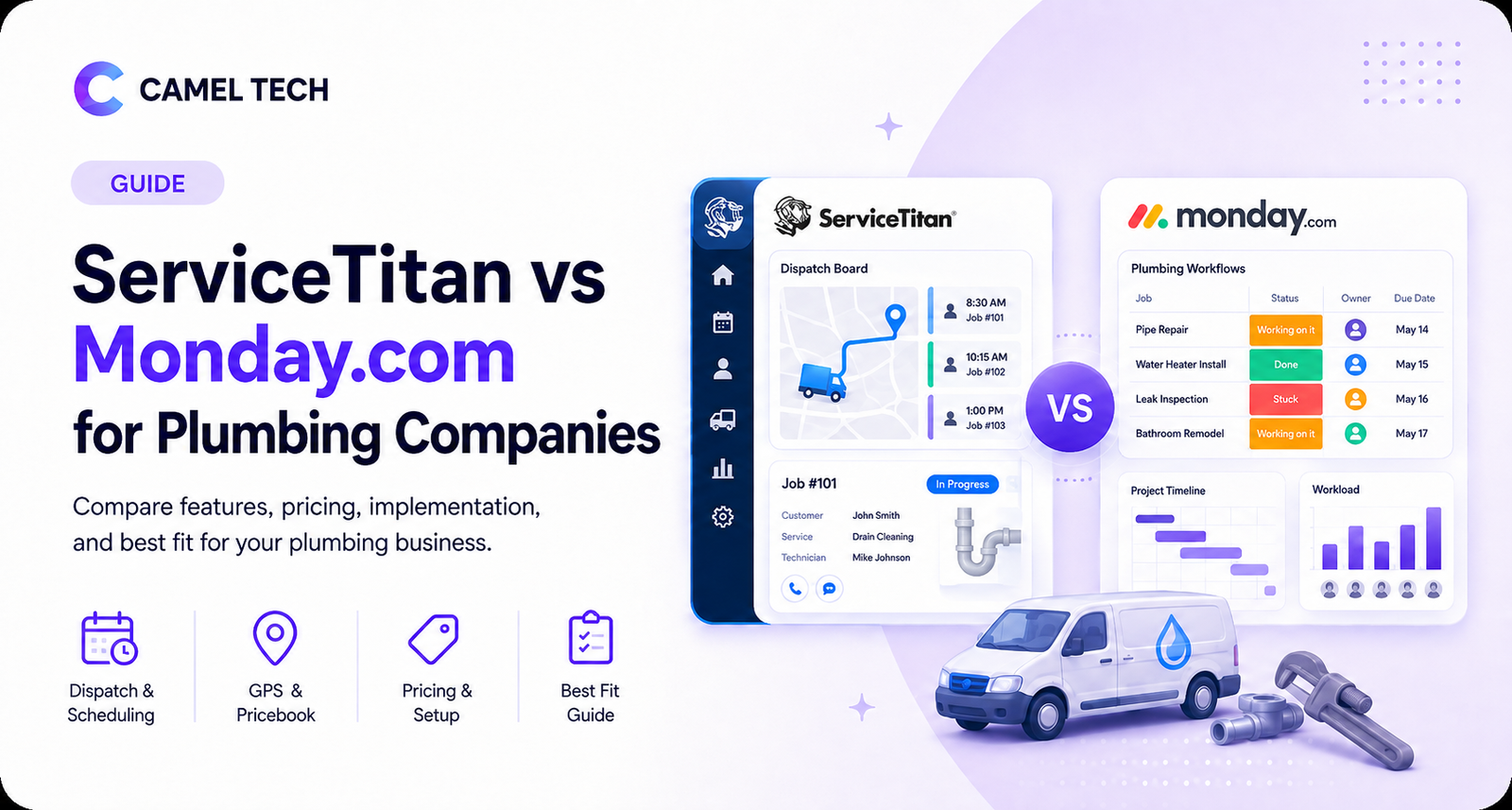
So we've kind of taken more of the approach of, well we use QuickBooks for our c accounting clients and we use ultra tax for our tax work and we use um Dropbox for our document storage and those are all not from the same family so that's what I mean by the best debris. So and we've when we hired Emerald to help us evaluate some of the different practice management, not practice management, project management systems out there. um He helped us we looked at Monday and kind of narrowed it down pre-monday.com and click up and and with Emerald's help we decided to go click the click up and again it what it what I liked about it it was it gave us the flexibility to design you know the lists and the tasks and the spaces and the pr automations and all exactly the way we operate. Is it perfect? No, no software is.
Uh you know, well some of the limitations that Emerald is working on with us now is coming up with some dashboards because the dashboards are a little clunky in click up, but it does a great job of kind of keeping up with the status of work and we assign the work between us kind of has has some ability to do some checklist on each of the jobs to make sure we're doing things properly and not missing things and so um so that's a long answer to your question about moving from excel we never really used Excel for that purpose because it was we use Excel every day but Excel isn't use it for some work papers and things like that, but not and I've never used it to kind of keep up with all the job because it it's not great at like one another thing that's great about click up is you can have different users. Again we've got ten different people and different people are working on the same account.
One of them may gather statements, otherwise may prepare the financial studies, another one may review it. Um and then the and then our admin sends it out. So you may have three or four different people working on a set of financials, kind of like an assembly line. And click up has an area to put comments as each person is working on it, things that they've done to it or what they need to next let the next person know about. And that's an example where Excel's not great at that, that kind of thing, you know. So anyway, I don't did I answer your question in that?
Adam
[00:30:29]
You you did and and you've said that you're not super tech savvy, but you sound like it. I I don't know how to do any of these things. Uh you're actually to I I really value your job because I'm not a numbers guy and this is your your job is an absol I would be an absolute disaster if I were in that position. So I it sounds like you know a lot of a lot of tech and you're you're you're in it's to me i when I just going in when I didn't know uh much about your your business, it sounded like you were Not it wasn't like outdated stuff, but it sounded like it was like spreadsheets and and you were using you weren't using a lot of tech and you weren't implementing AI, but it sounds like you're ahead of most actually.
Stanley Dean
[00:31:07]
No, we're very tech oriented here and I've always been kind of a techie guy, so yeah, I'm not on the bleeding edge as they say, where you I'm I'm the guinea pig to to figure out what the problems are for everyone else. But once it's, you know, been around a year or two, then I'm willing to give things a try. So I am we are evaluate we evaluate different software. We're usually implementing something new every year, uh, in some piece of it.
But Because of what we do it there's a lot of different softwares that we use because again you've got one software for doing the accounting work, you got a different software to calculate the depreciation on the financials that we do, you got a different software to do the tax return, you got a different software to keep up with the interest expense on loans that we track, you got a different software the to uh click up to keep up with the jobs, you got another one for communications like, you know, so it's just a lot of different applications and And now the whole AI world is is in yet another layer. Um so again I came back from the conference I mentioned last week of with a lot of ideas of again I mentioned about the Google or not Google but the Zoom meeting stuff.
Um and like for example, some of those guys at these conferences, they were saying you could you could load a lot of your transcripts and data about your firm into chat for it to learn more about you to help you design processes and help you design your marketing and things like that. So they kept calling it the AI brain. Uh I never really heard that term, but it was they I I looked into it and apparently within chat you can have these projects and you can load a lot of your source documents that AI or chat within those projects can refer to those source documents to help. Uh for example, we used to update our marketing plan our marketing strategy first, and then I loaded the new marketing strategy and the source documents that then we used to Going to update our website. Well, I didn't have to go create a new chat every time and upload the marketing strategy every time.
I just sit into the source documents and say, Hey Chad, go look at the source documents for my latest marketing strategy to help me come up with our new website. Uh so that was an example of something I learned at the conference a couple weeks ago is that you can have these projects inside of chat and then and then Claude has something I think called cohort, something similar, where it can refer to the folder where you can keep that type of information so that you're not constantly having to upload new information into every single chat that you run. It's um you just put it kinda in the the the library so to speak so we can refer to you and start learning more and more about you. That's kind of where I see the benefits of AI is uh helping with that kind of thing. here's another example we've we've we've had I mentioned in check in ClickA we've got some checklists where we keep up with what we're supposed to do on each job.
You know, just like a p an airline pilot has a checklist he goes through before he takes flight or a doctor that has a checklist before he has surgery. Um well we have checklists that we do when we're preparing financial statements or preparing a tax return to make sure we're not missing things. So we've built those checklists inside of ClickUp and However, you know, some of the managers were saying, well, not everyone's completing the checklist. So I said, Well, go interview all the different staff who's supposed to be doing it and have some one-on-ones with them and just start asking, okay, take tell me what's why you're not doing this and what's working and what's not working, what's working in click up and what's not working. So he was recording those meetings with those staff today.
And then he loaded the transcripts of that into chat and said, here summarize what my staff said and give me some ideas of how to improve these our process flow. That was a great use of how we use AI to help our process flow. Uh earlier this year we um you know it was taking us too long on some some jobs, so I I I loaded some time data that we have in click up. I loaded that into chat and said, evaluate our time by client and help us evaluate some areas that we're spending too much time on. and that was how it helped us. I I use that more from the marketing side. I keep talking about marketing and so we're just we're trying to update our marketing. We're entering a new market to try to we have some fairly aggressive growth goals over the next few years and we're we're looking at what type of target target clients may be more AI prone themselves so or may not AI resistant I should say.
So we're focusing in high growth areas of the Atlanta area that may be a lot of construction going on. So we're gonna be focusing more on the trades, electricians and plumbers and and those kind of guys that, you know, those are not as likely to be replaced by AI as some industries are. So we're gonna focus more of our our marketing toward those industries. And that was an example of where I use some of the data that we have on our timesheet information out of click up to say, are we spending too much time in any specific industry?
Because I can I can load in we have loaded in the clickup some of the data of what type of we have our client names loaded in the click up and they can evaluate chat helped us evaluate the time that we're spending by type of client to say, well you we do a fair number of restaurants and that was one saying, well your restaurant clients or you're spending a little too much time on So we're not gonna stop serving r restaurants, but we're not gonna be actively trying to get more of them as much. So that's an example of how we've used a combination of click up data along with chat to help us evaluate which clients are more profitable, which processes were more needed more work and that kind of thing.
Adam
[00:37:44]
Yeah, you're you're trying to to scale towards five million, is that right?
Stanley Dean
[00:37:49]
So it you it sounds like you're using uh automation and AI to to increase profitability and you're are you on on track to to reach that goal or is it still just a a goal in the next couple of years or in the future? Yeah, we're we're about a million three right now, so we've still got a little ways to go on that, but we're We will uh we will have to make sure we're we're consistently growing to make that goal. But we're um we kind of pause some of it right now. We don't have a salesperson right now, as I mentioned earlier, we're gonna be hiring one later this year. We did open a new office in a higher growth part of town a few months ago in anticipation of that. But we don't even have a salesperson for that. That's gonna be a sales office, but we're preparing the marketing side of the things first before we go and hire a salesperson. So we wanted we wanted to get our marketing pieces.
We're up there's a uh there's a guy named Marcus Sheridan, he wrote a book called They Ask You Answer. And he also wrote a new book called Endless Customers. And his new book is really they ask you answers all about building your website and your marketing around providing the information that a prospective client may be looking for, uh, answering their questions online to make give your prospective client a sense of trust that they would want to work with you. and showing that you're knowledgeable about your area of expertise. So it's building a trust factor into a prospective client. So that's kind of the main concept of his original book, They Ask You Answer. Um he was he was in the swimming pool business and back in the late two thousands that and during the recession, the swimming pool industry really got hurt. People weren't buying swimming pools during a recession.
So that's when he started just What's the difference in a concrete pool and a and a vinyl pool and a fiberglass pool? And he was answering questions like that to try to keep in business. Uh so he started answering questions like that, and his business actually picked up even during tough times because he was answering a lot of questions. So again, I highly recommend the books called They Ask You Answer. Well, he was a keynote speaker at our conference a few weeks ago. And he's written a newer book called again called Endless Customers and it's kinda t how he's adopted that concept to the more current AI world. What is AI looking for when someone asks chat questions about a local accountant, you know, or I'm looking for a local mechanic on my car or whatever. Well According to Marcus, I mean it's looking for information that Chad is looking for information that it can trust is is accurate information.
So the more inform the more trust levels such as putting your pricing my model on your website. What do you do when you go to a website? You first a lot of times the first thing you do is go look at the pricing tab to see, can I even afford this service or or product? So he's really out there. We don't do that presently. We will be adding that to our website and and as well as answering the common questions what makes what's the difference in a bookkeeper and an accountant? What's the difference uh you know, why why should I hire my professional to do my taxes? Why should I blah blah blah. There's all kind of questions that we can come up with. So we're gonna be updating our websites for some of the information we learned from Marcus at conference a few weeks ago. And that's kind of the stage where we are now is getting the marketing side of things. straightened out first to be a little more AI friendly.
Then we're gonna hire a salesperson to go out there and find the customers that we can we can serve.
Adam
[00:42:01]
Okay. Yeah, I I um I'm primarily a content creator and I recently worked with a company that they work with businesses like yours and they make it so that you you appear on Reddit uh searches like whether it's an ad or uh people are searching when people search chat or claude, a lot of the time it pulls from Reddit. So that's like their their whole model. So that's that's interesting that you're changing that So that when people ask on Chat GPT or or other AI uh platforms that that you're gonna pop up over over someone else.
Stanley Dean
[00:42:36]
Well, that's the goal. I mean one of the things excuse me he pointed out was I mean, just you know and it's been true with me is people are using Google searches less and more depending more on on AI searches more because you're in the you're it's usually giving you a little more focused answer f than you just going out there and doing a Google search saying, Find a plumber near me and it gives you just a laundry list of local plumbers versus Can describe with Chad. Well, I'm having take a picture of the leaking faucet and say this thing is leaking. Can I fix it myself? No, you better hire a plumber. And then okay, where's the new one nearest me? And then it goes and finds one close by, and here's the number. Click on it, call them, and they come and fix it.
So that's kind of the the model now where it's, you know, Chad and Claude and Gemini and all these uh AI agents are helping do a lot of the heavy lifting of finding service providers for. That's that's I'm convinced that's where things are going because I'm using it myself in in those ways.
Adam
[00:43:42]
Definitely. I when I need to know something I go straight to Reddit because they the people just tell you like it is, there's no it's like a no BS approach and I love that chat pull from that
Stanley Dean
[00:43:52]
because it's in even more condensed, truthful version. Um at least when when it's not when it what do they call it when a AI when AI gives the wrong thing, when it's not hallucinating. At least I I think that it's the right thing. Sometimes I go and check the thread myself, but
Adam
[00:44:07]
Um yeah, no, that's you're right. It is moving that direction and I've been using it like that ever since I've I guess it's been a ye over a year now that I've been using it, so you're right. Um you you recently switched client portals, right? we did, yes. And and what uh what what triggered that that change?
Stanley Dean
[00:44:27]
Uh primarily it was uh it was a program called Copilot and it's not the Microsoft Copilot. They had that was what they were called. and it was really primarily because it um the way that when a client would send us information, it would send us kind of like uh I guess like a like a slack you we use Slack internally. I don't know if you've ever used Slack, but it's kind of a chat channel, you know, in s in where you just have an endless thread of of messages from whatever client. They would just kind of combine all the messages from all the various clients into kind of a a messy inbox, if you want to think of it that way. So it just made it h difficult for us to figure out this client is sending us this information and this and our staff internally did Did you deal with it or no? And it was just we missed some things where clients sent us stuff and we didn't even know it and I said, and that's just not acceptable to me.
So we um we moved to s something just earlier this year. It's not truly designed to be a portal per se, but it it it has that kind of as a feature within it. It's called uh it's designed for the accounting world. It's called double. Uh it was it was formerly named keeper, but in what This that's yet another software that we now use. Uh that it what it does is it it ties into QuickBooks and if the accountants have a question about what was this transaction for, you can ask it directly within double and it and the client it kind of builds a portal within the portal a list of outstanding questions. And the client can get an a message by text or by email that says yeah, well that transaction was for office supplies or that transaction was for mills or whatever. So it has these transaction based questions that the accountant can ask within double. It sends it straight to the client. The client answers it.
The accountant reviews their answer within double and says, Okay, yep, I agree, and they make sure it's coded right, and then it then it pushes it back to QuickBooks. So it's kind of a higher end version of We before we would send questions, we would type up in Adobe and have a kind of a form in Adobe. We would type up the questions and send over the questions to the client and they would answer it in the answer box and we'd have to get it back and then go take the answer and go back to QuakeBooks and and manually update the answer in QuickBooks whereas so double is is making it more seamless where it just takes goes straight between the client, we review it, accept the answer and push it back to QuakeBooks. So that's the new portal.
It also has a non-transaction area that if we have questions related to maybe non-QuickBooks questions, maybe we tax related for example, what was did you know, did we need a copy of your W Two from last year or your 1099 that you had last year. It also allows them to upload documents like that. So it's first and foremost an accounting focused transaction based question and answer system. but it has this portal element to it as well. So we wound up again, it's not truly a portal, but we wound up using the portal feature for tax purposes as well as accounting. And it so far it's working pretty well. Clients seem to be liking it because again, they they can answer right on the fly what that specific transaction was for as well as upload their W Tos as well. to the same system. And that was something we wanted.
We didn't want you to have to send us something for accounting in this system and another system for taxes and another one for payroll. We wanted it one kind of the one stop shop regardless of what type of service we're doing.
Adam
[00:48:28]
That's what I always like to hear. I I don't like when there's one document and one email and there's just I want everything all in one place. So that sounds like my like the way that I love things organized.
Stanley Dean
[00:48:38]
And it also has a folder area where we when we're done with financials and tax returns, we can kinda upload it in a folder system. So then go click on the folder there and there's your financials and tax returns that we've we have prepared for.
Adam
[00:48:50]
Okay. Well, I I think that you explain things in a way that's not over explaining, but it's it's just right to where I I I know that I've learned a lot about this profession. I didn't know a ton going into it, and I I I think that you do a great job of explaining the details and and making it not using a bunch of jargon that not everyone understands.
Stanley Dean
[00:49:11]
So as we go into the the last ten minutes of the show, um what is
Adam
[00:49:18]
one operational lesson that uh you wish that you understood maybe ten years ago?
Stanley Dean
[00:49:28]
well um I guess the main thing is, eh you know eh more personnel related, uh when Well let me back up a second. There's we've implemented something called Entrepreneur Operating System, EOS. I don't know if you've ever heard of it. It's if it's written it's based on a book called Traction, uh, that I also heard about primarily through this Pas organization. A lot of other firms were on EOS, but it's a whole system that that it shows you the key areas of how to best run any type of business. It's not accounting. firm focused, it's just business focused. And the main areas are there's there's a people element, there's a data element, there's a process element, and I can't remember the other two, but there's um it's making sure that each one of those areas are data, I think I say data.
Um so in making sure each one of those areas is adequately addressed and one of the main areas so we've just been implementing EOS for the last three years or so and that's been a really a big help to us to give us some structure primarily around our meetings and making sure that we're addressing issues and and So I highly recommend the book called Traction and the whole concept. And Emerald as well has helped us implement EOS within ClickUp m by having an EOS area to kind of help make you adhere to the different concepts of EOS within ClickUp. So in other words, we'll have our meeting agendas there built into ClickUp that make sure we talk about issues every meeting. Uh, that we have a time where we have a segue, we have a time where we talk about highlights and headlines I should say. but anyway Back to what did I not do 10 years ago. Well, first of all, I didn't know EOS exists ten years ago.
So that's given us some structure that we that we now have that has helped us in our and that that's how we also know we want to have the growth goals we have. We came up with our core value. So it's kind of almost like when we have something called a VTO, a vision traction organizer, where you establish what your vision is for the company first. And our vision is that's where the whole five million came from was we had a ten year goal of getting five million and uh then you gather back to a three year goal, a one year goal and a quarterly goal and they call those rocks. Like, yeah, what's um the rock is the biggest thing that you need to address for the quarter. So it's basically a system of making sure you having vision of where you want to go with this. But again, one of the things it talks about is people, that you gotta have the right people. And that that's not always been the case with us.
And we I think we've got a great team right now. and that's always been some of the challenges that any business has is you're only as good as your people. Uh and we just meant a little, probably as they say, you should hire slow and fire fast if you don't have the right person. And we weren't always successful with that. We were we were higher slow, fire slow.
Adam
[00:53:22]
So we just uh we just put up with some people that didn't follow our processes and the ways that we wanted them to do things for too long. And, in hindsight we probably just should have cut bait and moved on and and find the right person to work in our systems without
Stanley Dean
[00:53:42]
Keeping on putting up with that type of person not working in our system. One of the things that, uh it EOS teaches you is to come up with your core values. And one of our core values is having a good processes, and again have click up helps us make sure we've got those processes in place. And And again, making sure that the processes are followed are some of the checklists within ClickO than that I mentioned. And again, that was the whole topic of discussion that our manager was having with some of our staff earlier today. Why are you not doing the checklist? So um but the the whole concept of EOS about making sure you're getting the right person who you shouldn't even be able to hire get on our team if you don't follow our core values. So it's kind of taught us that. Is when you're hiring, we ask we ask questions that are the the st then the applicant doesn't know what our core values are at that point.
But we're asking questions to help uncover if their core values mesh with ours. So we will ask questions about the you know, tell us about your do you use checklists, do you do f you know tell us about your processes and you know how do you tell us about prior jobs that you've done where you've had to follow a set process? Do you like change? Do you not like change. So we are doing that to make sure the person that we're hiring now is adhering to our core processes and and then after they're with us then we are what another thing, ninety or I should say EOS, I said ninety because that's another yet another software that we use we've used to help implement EOS and it has a whole uh agenda call for meetings and such, but it also has a way to interview or review your staff called one on ones.
And part of the one on ones is as the name implies, I have a one on one meeting with you once once a quarter just to make sure it's kinda like it's not necessarily a personnel review. It's it's kind of a two it's just a two way conversation. It's just a let's just take this a break. What's working for you, Adam? What's not working, you know, and you tell me what you do you Am I good am I being a good leader? What and what's and what do I need to improve on as as a leader, as the owner of the business? So um so it's just a time to take a break and we do those once a quarter before we have a quarterly off site reviews, uh off site meetings I should say. Again, part of the EOS structure. And as part of those one on ones, you go through does this person adhere to our core values? Does this person have what EOS calls GWC? Do they get it? Do they want it? And do they have the capacity? Do they get what their position is?
Do they want to do what their position is? Do they have the capacity to do not only from a time capacity, but a brain capacity? Do they understand their job well enough to do it? And that person to keep that job in that position, they should GWC it. Again, that's another EOS term. So that's again, I'm I've turned into an EOS disciple here, but uh highly recommended. It's a great system for for businesses to to run their businesses off of. So just again, long long long story short shorter here is I wish we had had a system like that ten years ago to help us evaluate hiring people and how and continue to evaluate retaining that type of person.
Adam
[00:57:37]
And asking the right questions, that goes a long way, even without the automations and the systems, I guess.
Stanley Dean
[00:57:43]
Uh you're a big fan of EOS, so anybody who's watching, get it, get it. Well Stanley, it's been great talking to you, getting to know you. Thank you so much again for being on the first episode of System Confessions. I want the viewers to be able to find you. So if they want to want more information about you or they want to work with you, how did they find you? Well, this is our website, www.sdacpa dot com. And we have our um contact information, our phone number and email address are on there, so just check us out on the website and reach out.
Adam
[00:58:18]
Thanks again, and this has been episode one of System Confessions. We'll catch you guys on the second episode.
Stanley Dean
[00:58:23]
All right, great. Thank you, Adam.
Adam
[00:58:26]
Thank you.